
Runic Writing in the Germanic Languages (RuneS)
The Oldest Writing System in the Germanic Languages
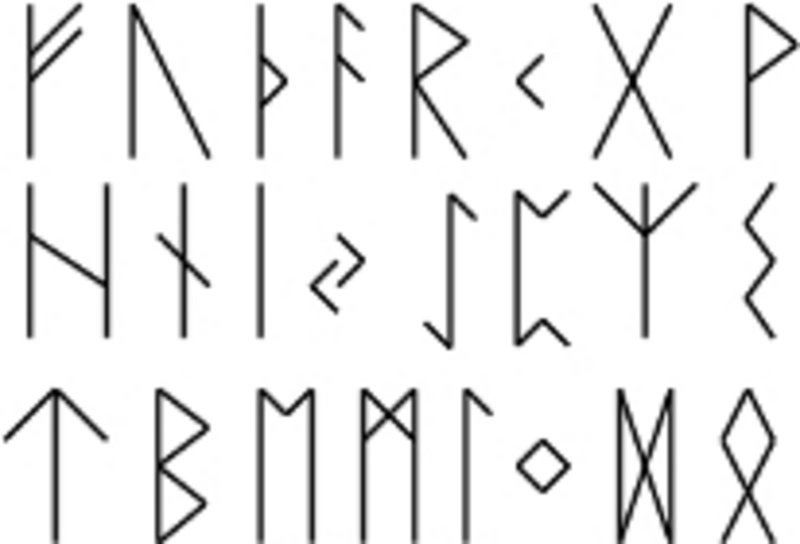
The research project “Runic Writing in the Germanic Languages” (RuneS), conducted until 2025, was devoted to the study of the oldest independently developed writing system within the Germanic languages, the runic script. As a medium of communication, this script existed in various forms across large parts of present-day Europe (with centres in the German-speaking areas, Britain, and Scandinavia) over a period of more than 1,400 years. It preceded the Latin script in these languages and coexisted alongside it for a long time.
The aim of the project was to investigate runic writing in the Germanic languages in a systematic, cross-regional, and diachronic manner. The comparative approach transcended the traditional boundaries of the three runic writing systems (the elder fuþark, the younger fuþark, and the Anglo-Frisian fuþorc). The focus of the research was on the medial aspect of writing, emphasizing the materiality of signs and texts, i.e., “runic graphemics.”
In temporally structured studies, the process of runic writing in the Germanic languages, as well as the emergence and subsequent development of individual, regionally differentiated runic writing systems, was documented, comparatively described, and analysed. This enabled a systematic and functional analysis of all signs preserved on the monuments of the examined sub-corpora. In a first stage, each sign was described and classified graphtypologically, and, where possible, its function was determined. The runic signs thus identified were then situated within the overall writing system. In a second stage, the development of the writing systems and the internal and external reasons and triggers for this development were examined.
The result of this digitally based graphemic research is the first digital platform for runic graphemics, the RuneS database.