
Encyclopedia of the Folktale
Exploration of Folk Narrative Traditions
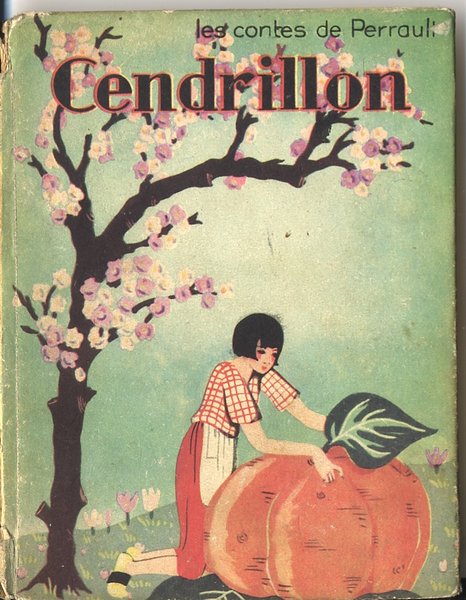
The research project Enzyklopädie des Märchens (Encyclopedia of the Folktale), running from 1980 until its completion in 2015, is a reference work that comprehensively presents the results of almost two centuries of international research in the field of folk narrative traditions past and present.
In addition to fairy tales, it covers all forms of popular storytelling, including legends, religious narratives, and many humorous stories. The list of entries (see below) contains around 4,000 alphabetically arranged articles on contents (concise monographs on important narrative types, themes, and motifs; works and authors relevant to popular tradition), as well as on theory (methods, questions of genre, style, and structure) and the research history. The aim of the Enzyklopädie des Märchens was to compare the extensive collections of orally and written transmitted narratives from diverse ethnic groups as well as their interrelations, and to highlight their social, historical, intellectual, and religious backgrounds. The volumes of this encyclopedic dictionary were published by De Gruyter.
History and Background
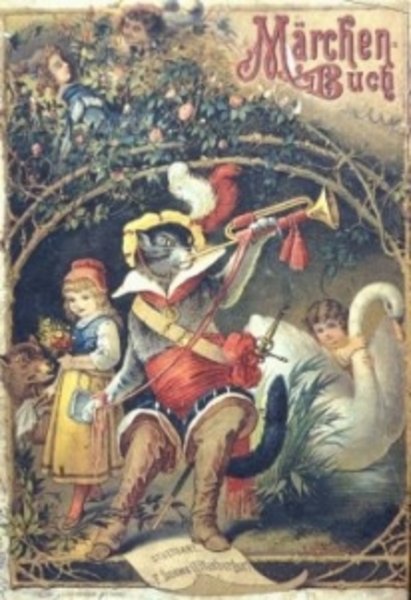
The Enzyklopädie des Märchens presents the results of almost two centuries of international research on folk narrative traditions. By 2015, 14 volumes (Aarne - Zypern, supplement Ābī - Zombie) and an index have been published. The Encyclopedia comprises approximately 3,900 alphabetically arranged entries categorised as follows:
- Theories and methods, genre questions, problems of style and structure, issues of context and performance
- Short monographs on important tale types and motifs
- Biographies of scholars, collectors, and authors of literary works relevant to folk narrative research
- National and regional surveys providing information about folk narrative tradition and folk narrative research
The precursor of the present work was the Handwörterbuch des deutschen Märchens (1930-1940), edited by Lutz Mackensen. Since modern folk narrative research can only be carried out on an international level, it was inappropriate to continue the handbook of German folktales within its national and topical limitations. The new concept required much preparatory work, such as the creation of a comprehensive text archive relying on source material and collections from all over the world, and the study of a large amount of literature. From modest beginnings in the late 1950s, the research centre in Göttingen was continually expanded with the support of the Deutsche Forschungsgemeinschaft (DFG) and the Stiftung Volkswagenwerk. In 1980, the Encyclopedia was included among the long-term research projects of the Göttingen Academy of Sciences and Humanities in Lower Saxony.
The journal Fabula, published since 1958, the International Congress of Folk Narrative Research held in Kiel and Copenhagen in 1959, the foundation of the International Society for Folk Narrative Research in the following year, and subsequent international congresses, which are regularly held every 4 or 5 years, promoted worldwide contact with scholars and other people interested in the study of folk narratives, thus helping the project find many competent collaborators. The entries of the Encyclopedia have been contributed by approx. 800 authors from approx. 60 countries.
The title Enzyklopädie des Märchens does not imply a genre restriction to Märchen (fairy tales) in terms of modern definitions. The Encyclopedia deals with all narrative categories which the Brothers Grimm, according to their broad conception of Märchen, have included in their Children's and Household Tales, i.e. tales of magic, but also animal tales, fables, religious tales, aetiological narratives, religious, historical, and demonological legends, novelle, humorous tales, formula tales, etc. This corresponds to the genres found in the AaTh and ATU indices.
The Encyclopedia compares the rich stock of narrative material available from a broad range of ethnic groups, which has been transmitted orally and through the medium of literature, and highlights its social, historical, psychological and religious backgrounds. It focuses on the oral and literary narrative traditions of Europe, and of countries influenced by European culture, as well as on those from the Mediterranean area and from Asia. The folk traditions of peoples who have only recently become literate are dealt with in regional surveys. Furthermore, the channels of transmission of narrative themes and motifs are traced in sources such as exempla and sermon books, chronicles, legendaries and chapbooks, as well as literary works which have a bearing on oral tradition, thus illustrating the permanent exchange between literature and oral tradition. The Encyclopedia thus provides an abundance of information which is of interest not only to folklorists, but also to members of other disciplines such as philologists and historians of literature, anthropologists, historians of religion, educationalists, historians of art, and media experts.
Using the Encyclopedia of the Folktale
List of Entries
- A Aarne, Antti Amatus - Aztekisches Erzählgut
- B Baba Jaga - Byzantinisches Erzählgut
- C Cabinet des fées - Cyriakus, Hl.
- D Dach - Dzanglun
- E Eberhard, Wolfram - Ey(e)ring, Eucharius
- F Fabel - Fußspuren
- G Gaal, Georg von - György, Lajos
- H Haar - Hyltén-Cavallius, Gunnar Olof
- I Ibn al-Ǧauzi - Iwein
- J Jack Tales - Jung-Stilling, Johann Heinrich
- K Kabašnikaŭ, Kanstantin Paŭlawič - Kyros
- L Lachen - Lycosthenes, Conrad
- M Ma'assehbuch - Mythos
- N Nachbar, Nachbarin - Nyman, Åsa Margareta
- O Oberon - Ozawa, Toshio
- P Pädagogik - Pyramus und Thisbe
- Q Qual des Brotes (Flaches) - Qvigstad, Just Knud
- R Rabbi - Rußland
- S Saba: Königin von S. - Syrjänen
- T Tabak - Tyrannen
- U Übel: Das kleinere Ü. - Utopie
- V Vakarelski, Christo Tomov - Vulpius, Christian August
- W Wache blenden - Wurst in der Tasche des Pastors
- X Xeroxlore - Ysengrimus
- Z Zachariae, Theodor Victor Hugo - Zypern
- Nachtragslieferung: A - Z Âbî - Zombie
Sampe Articles as PDF
- Wandermotive
- Wandertheorie
- Ward, Donald James
- Warenlager: Wo ist das W.?
- "Was hätte ich sagen (tun) sollen?"
Index Queries
The links below provide access to the electronic indices of the Encyclopedia of the Folktale (last updated in 2012). The search interfaces of each index are structured in the same way and return lists showing the volume and column number of the queried entry. Please note that searches are case-sensitive. The reverse index provides information on all collections classified in the EM archive.
TITCOD: Search by author
TYP: Search by tale types (e.g., AT, MOT, Hansen, etc.; enter a space before the number)
- AaTh-Register
- Motivregister
- Namensregister
- Sachregister
- Verweisregister
- Stichwortregister
- Umkehrregister
Library Holdings
The library of the Encyclopedia of the Folktale project contains around 12,000 individual titles on topics related to international folk narrative research, including an extensive collection of offprints. These materials can be accessed via the online catalog (OPAC) of the Göttingen State and University Library (SUB).
Concordance with the Aarne Thompson Index (AaTh)
The list provides the corresponding articles in the Encyclopedia of the Folktale for AaTh types. The AaTh types are organised as follows:
- 1–299: Animal Tales (Tiermärchen)
- 300–749: Tales of Magic (Zaubermärchen)
- 750–849: Religious Tales (Legendenartige Märchen)
- 850–999: Romantic Tales (Novellenartige Märchen)
- 1000–1199: Tales of the Stupid Ogre (Märchen vom dummen Teufel/Riesen)
- 1200–1999: Jokes and Anecdotes (Schwänke)
- 2000–2400: Formula Tales (noch nicht bei Aarne)
- 2401–2500: Unclassified Tales (noch nicht bei Aarne)
List of Abbreviations
In the Encyclopedia, the relevant entry is abbreviated within the article. All other abbreviations are explained in the list of abbreviations.
People
Editors:
Prof Dr Heidrun Alzheimer | Prof Dr Hermann Bausinger | Prof Dr Rolf Wilhelm Brednich | Prof Dr Wolfgang Brückner | Prof Dr Daniel Drascek | Prof Dr Helge Gerndt | Prof Dr Ines Köhler-Zülch | Prof Dr Klaus Roth | Prof Dr Hans-Jörg Uther
Editorial Team:
Dr Doris Boden | Dr Ulrich Marzolph | Ulrike-Christine Sander | Christine Shojaei Kawan
Secretariat: Axel Füllgrabe